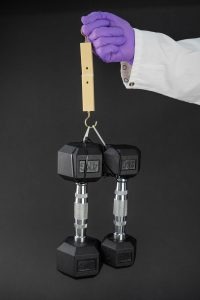
OssiVet is a self-setting calcium phosphate-based bioadhesive bone substitute enhanced with
phosphoserine
Features:
Adhesive
Provides adherent properties to fragments on a nanoscale level which enables stabilisation to multifragmentary and conventional screw fixation.
Osteoconductive
Remodels into new bone through a natural cell mediated process, maintainingmicro-stability at the fracture interfaces.
Setting Time
OssiVet offers an in surgery setting time of 8-10 minutes from the start of mixing.
Clinical
Indications
OssiVet is inteded for:
Bone fractures with bone defects
Fractures of the tibia, ulna, or femur in conjunction with appropriate stabilisation hardware
Osteosynthesis
procedures
To augment the stability of orthopaedic implants
Arthrodesis
(e.g., carpal and tarsal joint)
Filling bone
defects
After removal or orthopaedic implants such as bone screws
Bone
Defects
Following resection of benign bone tumours or cysts
Surgeon
Benefits
Adhesive: Provides adherent properties to fragments on a nanoscale level, while enhancing hardware fixation.
Osteoconductive Remodels into new bone through a natural cell mediated process
Drillability In surgery setting time of 8-10 minutes
Versatility OssiVet can be applied in different low viscosity form, paste or putty.
Radiopacity OssiVet® is visible on X-ray, allowing for adequate placement and filling of voids to optimise stability of the fracture.
Faster recovery & mobility Load sharing features improve fracture construct stability and patient comfort
Cohesive Enhances the adjunctive structural stability for the internal fixation of the affected bone, promoting proper alignment and healing.
Technical
Specs
Format: 3cc Kit (Powder + Hydration solution)
Set Time: ~8-10 Minutes (Adhesive strength achieved).
Storage Ambient.
Species Suitable for all large* (Horses only in USA & Australia) and companion animals.
Resources
OssiVet® is a structural, mechanically enhanced bone adhesive suitable for reduction, provisional fixation, or void filling of bone fractures or defects in order to enhance structural stability where standard fixation alone cannot provide sufficient support for functional mobilisation.